

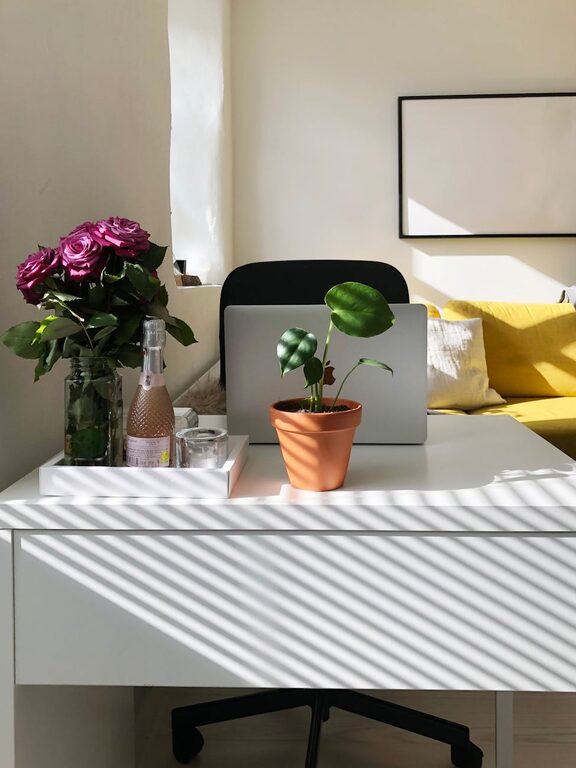
Creating a home office that feels both cozy and productive can transform the way you work. Whether you’re working remotely full-time or need a quiet corner for occasional tasks, designing the right space is key to maintaining focus and comfort. Below are helpful tips to guide you in building a home office that supports your work while inviting relaxation.
Choose the Right Location
The first step in setting up a home office is selecting the ideal spot. Consider areas in your home that receive natural light and have minimal distractions.
– Natural Light: Try to position your desk near a window. Natural light boosts mood, reduces eye strain, and keeps you alert throughout the day.
– Quiet Corner: Choose a quiet area away from high-traffic zones like the kitchen or living room. This reduces interruptions and noise.
– Space for Movement: Ensure there is enough room for your chair to move freely and for you to stretch occasionally.
Invest in Comfortable and Functional Furniture
Furniture plays a huge role in both comfort and productivity. Ergonomic choices help prevent strain and fatigue.
– Ergonomic Chair: Look for a chair with lumbar support, adjustable height, and comfortable padding.
– Desk Size: Choose a desk that fits your work essentials—computer, paperwork, and maybe a few personal items—without feeling cluttered.
– Standing Desk Options: Consider a sit-stand desk to alternate postures throughout the day for better health.
– Storage Solutions: Incorporate shelves, drawers, or filing cabinets to keep your workspace neat and organized.
Optimize Lighting
Good lighting is essential for productivity and reduces eye strain.
– Layered Lighting: Use a combination of natural light, overhead lights, and task lighting such as desk lamps.
– Warm Light: Choose bulbs with a soft white or warm light tone to create a cozy atmosphere.
– Avoid Glare: Position screens and lights so they don’t cause glare on your computer monitor.
Personalize Your Space
Adding personal touches can increase your comfort and motivation.
– Decor: Display art, plants, or photos that make the space inviting and inspiring.
– Colors: Incorporate calming colors such as soft blues, greens, or neutrals to create a relaxed vibe.
– Aroma and Sound: Use subtle scents or background music if it helps you focus and feel calm.
Keep It Organized
An organized workspace contributes to clear thinking and productivity.
– Declutter Regularly: Keep only essential items on your desk to avoid distractions.
– Use Organizers: Drawer organizers, pen holders, and cable management tools can keep everything tidy.
– Digital Organization: Maintain a clean desktop and use apps or folders to organize digital files.
Set Boundaries and Routine
Creating a routine and setting physical boundaries helps maintain work-life balance.
– Defined Work Hours: Set specific working hours and stick to them as much as possible.
– Break Space: If possible, have a separate area to take breaks and unwind away from your desk.
– “Do Not Disturb” Indicators: Use signals like a closed door or a sign to let others know when you need focus time.
Incorporate Technology Thoughtfully
Technology is essential but should be integrated thoughtfully.
– Reliable Equipment: Ensure you have a fast internet connection and reliable hardware.
– Cable Management: Use clips or sleeves to reduce cable clutter that can distract or cause accidents.
– Accessories: Consider a second monitor, noise-canceling headphones, or an ergonomic keyboard if they improve your workflow.
Encourage Movement and Comfort
Long hours can be tough if you stay in one position.
– Take Breaks: Stand up, stretch, or walk around every hour to stay refreshed.
– Comfort Items: Keep a cozy blanket or a small cushion handy for added comfort during long work sessions.
Final Thoughts
Creating a cozy and productive home office is about balance. Focus on ergonomics, lighting, organization, and personal touches to make your workspace inviting and efficient. By establishing clear boundaries and routines, you can maintain productivity while enjoying the comforts of home. Begin with small changes, and over time, your home office will become a place where you look forward to working.