

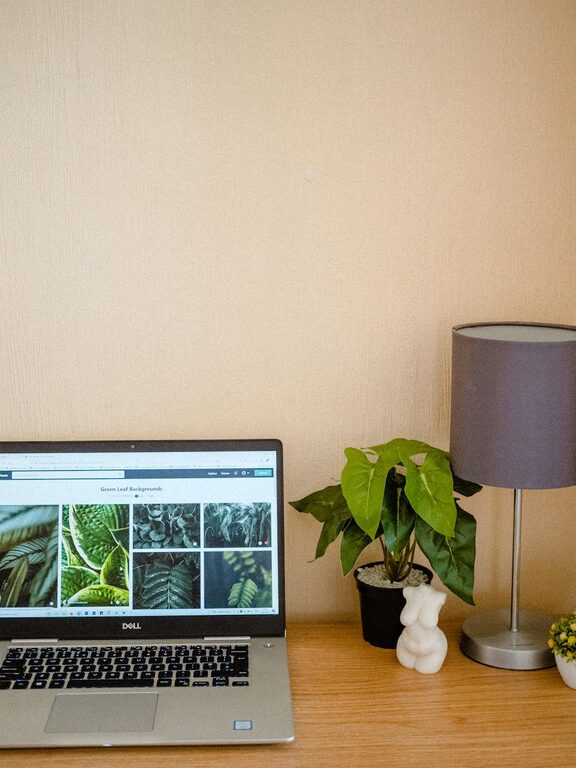
Creating a home office that is both cozy and productive can significantly enhance your work-from-home experience. Whether you’re a remote worker, freelancer, or simply need a dedicated spot for occasional tasks, the right environment helps you stay focused and comfortable throughout the day. This guide provides practical tips to transform your space into an inviting and efficient home office.
Choose the Right Location
Finding the ideal spot in your home is the first important step. Ideally, select a quiet area with minimal distractions. A spare room, a corner of your living room, or even a section of your bedroom can work well if set up wisely. Consider these factors:
– Natural light: Position your desk near a window if possible to enjoy daylight, which can enhance mood and reduce eye strain.
– Noise level: Opt for a spot away from household noise to concentrate better.
– Space: Make sure there’s enough room for your desk, chair, and storage with space to move comfortably.
Invest in Comfortable and Functional Furniture
Comfort is key to maintaining productivity, especially if you spend long hours at your desk. Here are some furniture essentials:
– Ergonomic chair: Choose a chair that supports good posture with adjustable height, lumbar support, and comfortable cushioning.
– Desk: Pick a desk with enough surface area to hold your computer, notebooks, and any tools you use. Consider adjustable desks if you want the flexibility to alternate between sitting and standing.
– Storage units: Shelves, filing cabinets, or drawer units help keep your workspace organized and clutter-free.
Optimize Lighting
Proper lighting reduces eye fatigue and creates a welcoming atmosphere. Consider layering different light sources:
– Ambient lighting: General overhead lights for overall brightness.
– Task lighting: Desk lamps or adjustable lights focused on your work area.
– Accent lighting: Soft lighting like floor lamps or wall sconces adds warmth and visual interest.
Make sure your screen doesn’t reflect glare by adjusting light placement and using blinds or curtains to manage sunlight.
Personalize Your Space
Adding personal touches makes your home office feel inviting and inspiring. Here are some ideas:
– Decor: Hang artwork, motivational quotes, or photos that make you feel good.
– Colors: Use calming colors like soft blues or greens to create a relaxing environment, or energizing tones like yellows and oranges based on your preference.
– Plants: Indoor plants improve air quality and add a natural, peaceful vibe.
Keep Organized to Stay Focused
A cluttered desk can lead to a cluttered mind. Develop organizing habits and use tools such as:
– Desk organizers: Trays, pen holders, and file racks prevent small items from scattering.
– Digital tools: Implement apps or software for managing tasks, documents, and schedules.
– Cable management: Use clips or sleeves to tidy up cords and avoid distractions.
Minimize Distractions
To maintain productivity, it’s important to reduce potential interruptions.
– Noise control: Use noise-canceling headphones or play background music or white noise if silence is distracting.
– Limit phone usage: Keep your phone on silent or in another room to avoid frequent notifications.
– Set boundaries: If you share your home, communicate your work hours clearly to others.
Incorporate Break Areas and Movement
Taking breaks and moving around prevents burnout and keeps your mind fresh.
– Stretch zones: Leave a small area for stretches or simple exercises.
– Comfortable seating: Add a cozy chair or a cushion where you can relax during breaks.
– Timers: Use reminders to encourage short breaks every hour.
Ensure Good Air Quality and Comfort
Your physical health influences productivity. Some ways to improve your office environment include:
– Ventilation: Open windows regularly or use air purifiers.
– Temperature control: Keep the room at a comfortable temperature, using fans or heaters if needed.
– Hydration: Keep a water bottle nearby to stay hydrated.
Use Technology Wisely
A seamless tech setup prevents frustration and supports your work.
– Reliable internet: Make sure you have a strong, stable connection.
– Essential peripherals: Use external monitors, keyboards, or mice to improve ergonomics.
– Backup systems: Regularly save your work and consider cloud storage.
—
By thoughtfully designing your home office to be cozy, organized, and inspiring, you set yourself up for success each workday. Remember that creating the perfect space is a process, so customize these tips based on what feels right for you. A well-crafted home office can make working from home more enjoyable and productive than ever.