

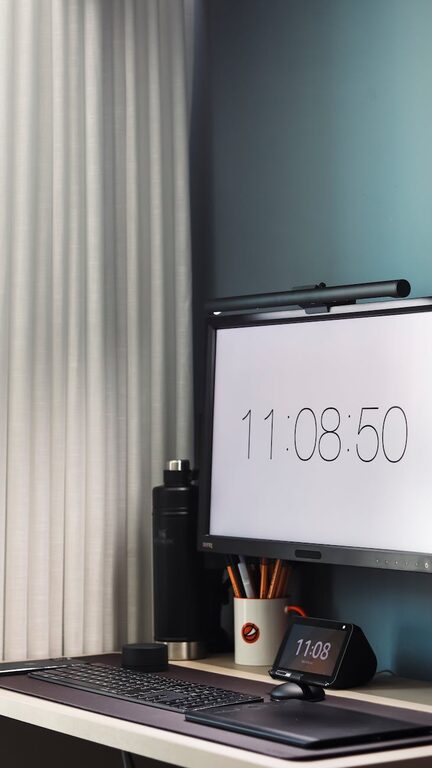
Creating a relaxing home workspace is essential for maintaining focus and reducing stress, especially as more people work remotely. A well-designed space can boost your productivity and help you feel at ease during long hours of work. In this post, we’ll explore simple and effective tips to transform your home office into a calm, comfortable, and inspiring environment.
Choose the Right Location
Selecting a good spot for your workspace lays the foundation for a relaxing setting.
– Find a quiet area: Choose a space away from high traffic zones in your home to minimize distractions.
– Consider natural light: Position your desk near a window if possible; natural light can improve mood and energy.
– Ensure privacy: A room with a door or a corner nook helps create boundaries between work and personal life.
Prioritize Comfort with Ergonomic Furniture
Comfort plays a key role in both relaxation and efficiency.
– Invest in a quality chair: Look for an adjustable chair with good lumbar support to protect your back during long periods of sitting.
– Choose the right desk height: Your desk should allow your elbows to rest at a 90-degree angle for comfortable typing.
– Add cushions or footrests: Small accessories can improve posture and reduce fatigue.
Keep the Space Organized
Clutter can increase anxiety and decrease concentration. Keeping your workspace tidy supports a peaceful atmosphere.
– Use storage solutions: Shelves, drawers, and desk organizers help keep supplies in order.
– Declutter regularly: Spend a few minutes each day clearing unnecessary items.
– Maintain cable management: Keep cords tidy with clips or sleeves to reduce visual chaos.
Personalize Your Environment
Adding personal touches can make your workspace more inviting and relaxing.
– Add plants: Indoor plants provide visual interest and improve air quality.
– Incorporate calming colors: Soft greens, blues, or neutrals promote relaxation.
– Display inspiring items: Photographs, artwork, or motivational quotes can lift your spirits.
Control Lighting and Noise
Proper lighting and sound levels help maintain focus and reduce eye strain or stress.
– Use adjustable lighting: A combination of overhead and task lighting lets you control brightness.
– Consider a desk lamp: Choose one with adjustable color temperature for day and night use.
– Minimize noise distractions: Use noise-canceling headphones or white noise machines if needed.
Establish a Routine and Boundaries
Your workspace’s environment works best when paired with a healthy work routine.
– Set specific work hours: This helps separate work time from relaxation time.
– Take regular breaks: Stretch, walk, or do relaxation exercises to recharge.
– Keep food and leisure activities separate: Avoid eating or watching TV at your desk to maintain focus.
Utilize Technology Mindfully
Technology is vital but can also disrupt your peace.
– Organize digital tools: Keep your computer desktop clean and apps organized.
– Limit notifications: Turn off non-essential alerts to stay focused.
– Use calming sounds: Background music or nature sounds can make the environment more pleasant.
Maintain Air Quality and Temperature
A fresh and comfortable atmosphere enhances relaxation.
– Ventilate the room regularly: Open windows or use air purifiers to keep air fresh.
– Control temperature: Make sure the room temperature is comfortable to avoid distractions.
Final Thoughts
Creating a relaxing home workspace doesn’t require a complete overhaul. Small changes in furniture, lighting, organization, and atmosphere can significantly improve your comfort and productivity. By thoughtfully designing your work area, you’ll build a space where work feels less like a chore and more like a balanced part of your day.
Take the time to experiment with what works best for you and enjoy your peaceful, personalized workspace!